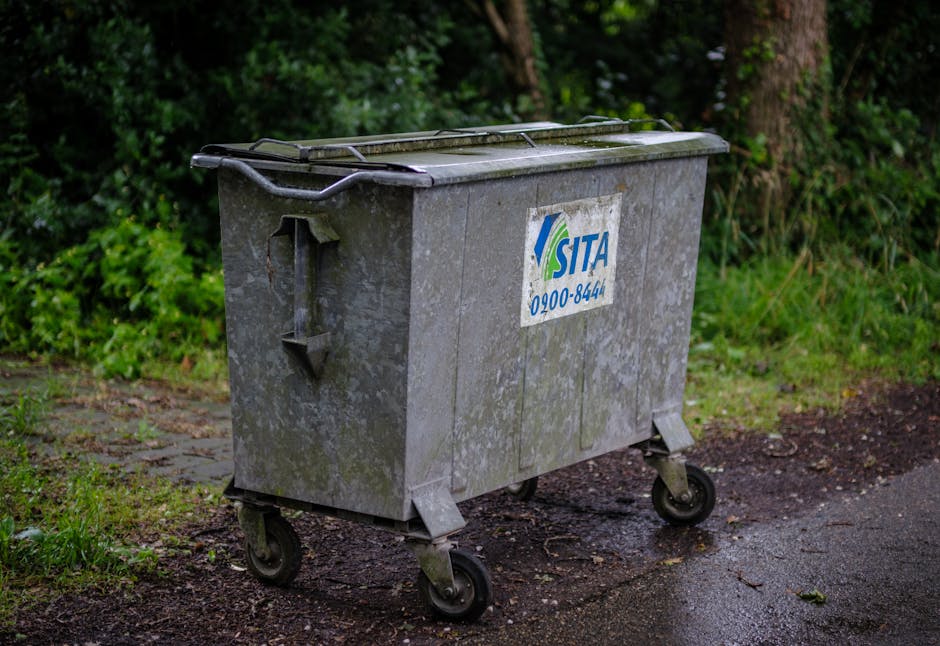
What to know about garden waste rules Spelthorne Borough Council
If you live in Spelthorne and you have ever stared at a pile of hedge cuttings, grass clippings, or a mountain of leaves after a weekend tidy-up, you already know the problem: garden waste looks harmless, but it still has to be dealt with properly. Understanding What to know about garden waste rules Spelthorne Borough Council can save you time, avoid unnecessary hassle, and help you keep your garden, driveway, and bins in good order.
This guide walks through the practical side of garden waste in plain English. We will cover what usually counts as garden waste, how local rules are typically applied, what to avoid, and the best way to plan your disposal so you are not left with bags sat out in the rain, half-open and smelling rather earthy. Let's face it, nobody wants that.
Whether you are a homeowner doing a seasonal clear-up, a landlord preparing a property, or someone using professional help for bigger jobs, the basics are the same: know what can go where, separate the different materials, and stay on the right side of council expectations.
Table of contents
- Why garden waste rules matter
- How the system usually works
- Key benefits and practical advantages
- Who this is for and when it makes sense
- Step-by-step guidance
- Expert tips for better results
- Common mistakes to avoid
- Tools, resources and recommendations
- Law, compliance, standards, or best practice
- Options, methods, or comparison table
- Case study or real-world example
- Practical checklist
- Conclusion
- Frequently asked questions
Why garden waste rules matter
Garden waste rules are not just paperwork in the background. They shape how waste is collected, what can be accepted, and what happens if waste is mixed with the wrong materials. If you put the wrong items into a garden waste bin, or leave bags out in a way that does not meet collection expectations, the result can be missed collection, extra sorting, or in some cases a refusal.
In a busy borough, these rules also help keep services fair. Organic waste like grass, leaves, twigs, and small prunings can usually be processed differently from general rubbish. That matters because it supports recycling and composting rather than sending everything straight to disposal. It is a simple idea, really, but it works best when residents keep to the rules.
There is also the practical side. A tidy garden is easier to maintain, easier to enjoy, and less likely to attract pests or block drains after heavy rain. If you have ever seen a wet heap of laurel clippings slowly take over a corner of the garden, you will know the feeling. Not ideal.
For larger outdoor projects, it can help to plan waste handling at the same time as the job itself. For example, a full clear-up before turfing or replanting is much smoother if you already know what will be bagged, what will be chipped, and what needs a separate collection. Services such as garden clearance and garden maintenance are often the most sensible starting points when the waste job is bigger than a normal bin day.
Expert summary: The best approach is to treat garden waste as a managed material, not an afterthought. Separate it early, keep it clean, and plan for collection or reuse before the pile becomes a problem.
How garden waste rules usually work
While exact procedures can change, most council garden waste systems in England follow a similar pattern. You either use a dedicated garden waste collection service, take waste to an approved facility yourself, or arrange a private clearance for larger volumes. The main thing is understanding which route suits your situation.
Garden waste commonly includes:
- grass cuttings
- hedge trimmings
- small branches and twigs
- leaves
- flowers, weeds, and plant cuttings
- small amounts of soil attached to roots or plants, where accepted
However, not everything green is automatically acceptable. Councils typically expect garden waste to be free from contamination. That means no food waste, no rubble, no plastic plant pots, no ties or string, and no general household rubbish mixed in. If you are sorting through a mixed pile after a garden overhaul, it helps to separate as you go rather than at the end. Much less headache.
In practice, the workflow often looks like this:
- Collect the garden waste in manageable amounts.
- Remove non-organic items such as plastic, metal, and packaging.
- Put the material into the correct containers or bags.
- Present it according to the collection rules, if using a council service.
- Keep heavier items, roots, and bulky woody material separate if they need a different route.
For households with regular garden upkeep, it can be worth pairing disposal with routine care. Ongoing work such as lawn mowing and hedge trimming creates smaller, more manageable waste streams than occasional large-scale cut-backs.
Key benefits and practical advantages
Following garden waste rules properly is not only about avoiding problems. It also makes your day-to-day garden work easier and cleaner. That sounds obvious, but the benefits show up quickly once you get into a habit.
- Fewer missed collections: Clean, sorted waste is less likely to be rejected.
- Less mess at home: Properly bundled or bagged waste is easier to store before collection.
- Better recycling outcomes: Organic waste can often be processed more efficiently when it is uncontaminated.
- Safer outdoor spaces: Fewer piles of cuttings and branches means fewer trip hazards and less blocked access.
- Lower stress during big jobs: If you are clearing an overgrown space, you can focus on the garden rather than wondering where the debris is going.
There is another benefit people sometimes overlook: planning waste correctly makes the whole garden project feel more finished. You cut back the hedge, clear the borders, sweep the patio, and suddenly the space looks intentional rather than half-done. That small sense of order matters.
If your project involves reworking paths, beds, or outdoor structures, the waste challenge can get bigger fast. In that case, coordination with wider outdoor works such as landscape gardening or landscaping can keep the site tidy and reduce repeated handling of the same materials.
Who this is for and when it makes sense
Garden waste rules matter to more people than you might think. It is not just for people with large gardens or formal landscapes. In fact, a modest back garden can produce a surprising amount of cuttings after one energetic Saturday morning.
This topic is especially relevant if you are:
- a homeowner doing seasonal maintenance
- a tenant responsible for keeping a garden tidy
- a landlord preparing a property for new occupants
- a gardener helping a client with regular upkeep
- someone dealing with an overgrown or neglected outdoor space
- a property owner planning a larger clearance before renovation or sale
It also makes sense to pay close attention if you are cutting back mature shrubs, reducing a hedge line, or removing small trees. Woody waste behaves differently from leaves and grass, and that difference can affect how it is accepted or collected. For heavier work, tree lopping and removal should be planned carefully because the waste volume can grow quickly, and the branches can be awkward to move.
If you only have a small bag or two of clippings, the rules are pretty straightforward. If you have three heaps, a trailer load, and a pile of roots that looks like it came out of a pirate movie, you are in a different category. Different scale, different plan.
Step-by-step guidance
Here is a sensible way to handle garden waste without overcomplicating it.
1. Sort the waste as you cut
Do not leave everything in one mixed pile if you can help it. Separate grass, leaves, twigs, and woody branches from the beginning. Put obvious contaminants aside straight away. It takes a minute, but saves a lot of sorting later.
2. Check what your waste actually contains
Before you bag it up, look again. A stray plant label, bit of trellis wire, or cracked pot can cause a problem. If it feels like a mixed skip in miniature, pause and separate it properly.
3. Decide whether the material is suitable for council collection
Light garden waste is usually the easiest to manage through collection services. Bulky branches, large root balls, timber, or mixed site waste may need another solution. Be honest about the volume. That is where many problems start.
4. Package it in the right way
Use the right container, bag, or bundle format for the service you plan to use. Avoid overfilling, especially with wet grass or dense pruning waste, because it becomes heavy very quickly. A bag that looked fine at 8am can feel like a dumbbell by lunch.
5. Present it on the correct day and in the correct place
If you are using a collection service, timing matters. Put the waste out exactly as expected, and make sure access is clear. Wet weather can make bags slippery and awkward, so it helps to keep them dry and easy to move.
6. Reuse or compost what you can
If you have space, some garden waste can be composted or shredded for mulch. That is often a smart way to reduce volume and put nutrients back into the garden. Not every household will want to do this, fair enough, but it is often the most sustainable option.
Expert tips for better results
Here are a few practical habits that make garden waste management much easier over time.
- Cut little and often: Regular pruning and mowing create smaller waste loads than letting everything get out of hand.
- Keep a separate area for green waste: A corner of the driveway or a tarp in the garden helps stop the mess spreading.
- Dry the waste where possible: Wet clippings weigh more and smell stronger, especially in sealed bags.
- Chop large branches down: Shorter pieces are easier to bundle and handle.
- Do not mix soil and stone with green waste: That is one of the fastest ways to cause sorting trouble.
- Plan after storms: Windy weather can leave a surprising amount of debris, especially under mature trees and hedges.
One small but useful trick: if you are doing a hedge cut, lay a sheet or tarp beneath the work area before you start. It makes collection much easier and keeps tiny bits of debris from disappearing into the grass. You will thank yourself later, probably while holding a rake and wondering where the other half of the clippings went.
For many households, a regular maintenance plan works better than occasional major tidy-ups. A combination of garden maintenance and targeted seasonal work keeps waste manageable, and the garden itself tends to look healthier too.
Common mistakes to avoid
Most problems with garden waste are simple, avoidable things. The good news is that once you spot them, they are easy to fix.
- Mixing garden waste with general rubbish: This can lead to rejection or extra sorting.
- Overfilling bags: Heavy bags are hard to move and more likely to split.
- Leaving waste on the pavement too early: It can become messy, blow around, or attract complaints.
- Assuming all green material is the same: Grass cuttings and woody branches are not handled in exactly the same way.
- Ignoring wet weather: Rain makes everything heavier, muddier, and a bit more stubborn.
- Forgetting about access: If a collection vehicle or clearance team cannot reach the waste, the job becomes slower and more expensive.
Another mistake is underestimating the scale of a clear-up. A small front hedge cut can turn into a van-load once the clippings are compressed and bundled. That is normal. It just means you should plan with a little margin.
Where a garden has become heavily overgrown, the right choice may be a full tidy-up rather than trying to chip away at the mess bit by bit. In those cases, structured garden clearance can be far more efficient than handling the waste piecemeal.
Tools, resources and recommendations
You do not need a huge kit to manage garden waste well, but a few simple tools make a difference.
| Tool or item | Why it helps | Best used for |
|---|---|---|
| Heavy-duty garden bags | Contain loose waste neatly and reduce spillage | Leaves, cuttings, smaller prunings |
| Tarp or sheet | Keeps the work area tidy and makes lifting easier | Hedge trimming, border clearing, sweeping debris |
| Rake and leaf grabber | Speeds up collection of light waste | Lawns, beds, and paths |
| Secateurs and loppers | Let you reduce branch size safely | Shrubs and small woody cuttings |
| Wheelbarrow | Makes transport easier across the garden | Bulk movement of waste |
If you are dealing with recurring garden waste, it is worth combining your tools with a tidy routine. For example, mow before the lawn gets too tall, trim hedges before they spill over, and clear leaves before they become wet mats underfoot. Simple, but effective.
For homeowners who prefer to outsource the heavier tasks, it can help to compare the broader service options available on a single page like services overview. If you want to understand how a provider approaches sustainability, the page on recycling and sustainability is also a useful place to look.
And if you are checking the practical side of arranging work, pricing and quotes gives a better sense of how jobs are assessed before anyone starts dragging branches to and fro.
Law, compliance, standards, or best practice
Garden waste handling sits within a wider framework of local waste management, environmental care, and general household responsibility. Exact council rules can differ, so the safest approach is to follow the council's current guidance and the terms of any collection service you use.
As a practical matter, the main compliance points are usually these:
- present only acceptable garden waste in the correct format
- keep contamination out of green waste streams
- follow size, weight, and access limits where they exist
- avoid leaving waste where it causes obstruction or nuisance
- use licensed, responsible disposal routes for larger or mixed loads
Best practice is even simpler: separate materials early, store them safely, and choose the disposal route that matches the type and volume of waste. If there is any uncertainty, err on the side of caution and keep mixed waste separate until it can be checked properly.
For anyone hiring help, it is also sensible to look at insurance, safety, and working standards. A waste-heavy job often involves lifting, cutting, and moving awkward material, so professional care matters. Pages such as insurance and safety and health and safety policy are the sort of reassuring details that show a contractor takes the work seriously.
Truth be told, the legal side is usually less complicated than people fear. The real challenge is consistency. Get the routine right, and most of the stress disappears.
Options, methods, or comparison table
There are several ways to deal with garden waste. Which one is best depends on the volume, the type of waste, and how hands-on you want to be.
| Method | Best for | Pros | Watch-outs |
|---|---|---|---|
| Council garden waste collection | Regular household green waste | Convenient, simple, usually cost-effective | Needs correct preparation and acceptable materials |
| Home composting | Leaves, cuttings, soft green waste | Low waste, useful compost later | Needs space, patience, and the right balance of material |
| Private clearance | Large clear-outs, overgrown gardens, bulky waste | Fast, flexible, less physical effort for the homeowner | Needs careful sorting and a trustworthy provider |
| Self-hauled disposal | People with transport and time | Flexible, good for occasional large loads | Can be time-consuming and physically demanding |
If your garden work is regular and fairly light, a collection or composting approach often makes the most sense. If the job involves dense hedge waste, awkward branches, or a property that has been left to grow wild for a while, a more structured clearance route can be much easier on your back and your weekend.
Case study or real-world example
Imagine a typical spring tidy-up in a Staines-area garden after a damp February. The grass is long, the laurel hedge has pushed out more than expected, and the borders are full of old stems from last year. Nothing dramatic, but enough to create several separate waste piles.
The homeowner starts by mowing the lawn and trimming the hedge. The grass clippings go into one stack, the hedge cuttings into another, and a few broken plant supports are pulled out and set aside. A tarp is laid down near the patio so the lighter bits can be swept up quickly. The result is tidy, and the waste is easier to move.
Now compare that with the alternative: everything thrown into one heap, wet by lunchtime, with bits of plastic planter and potting mesh hidden inside. That version takes longer, weighs more, and usually leads to annoyance. Nobody needs that on a Saturday afternoon.
In this kind of real-world scenario, the difference is not dramatic or clever. It is just organisation. But organisation is often the thing that saves time.
Practical checklist
Use this checklist before you put garden waste out or arrange a collection:
- Have I separated green waste from general rubbish?
- Have I removed plastic, metal, wire, and plant pots?
- Is the waste dry enough and light enough to handle safely?
- Have I kept branches and bulky material separate if needed?
- Am I using the correct bag, bin, bundle, or collection method?
- Is access clear for whoever is collecting or removing the waste?
- Have I checked for any local limits or service conditions?
- Can any of the material be composted or reused instead?
If you can tick most of those off, you are usually in good shape. If a few items are missing, pause and sort them before moving on. It saves faff later.
Conclusion
The main thing to know about garden waste rules in Spelthorne is that good sorting and sensible planning make everything easier. Keep green waste clean, separate, and manageable. Match the disposal method to the volume. And do not assume all garden debris belongs in the same pile.
For small routine jobs, the process is straightforward. For bigger clear-outs, or when the garden has got away from you a bit, a more structured approach is usually the smartest choice. That can mean better results, less stress, and a tidier space at the end of the day. Which, to be honest, is the whole point.
If you are preparing for a seasonal tidy, a hedge cut, or a full outdoor refresh, it often helps to combine smart waste handling with a broader plan for the space. Services such as garden maintenance, lawn mowing, and landscaping can all support a cleaner, simpler result over time.
Get a free quote today and see how much you can save.
Sometimes the most satisfying part of garden work is not the cutting itself. It is standing back afterwards, seeing the space breathe again, and knowing the waste has been handled properly.
Frequently Asked Questions
What counts as garden waste under local collection rules?
Usually it includes grass cuttings, hedge trimmings, leaves, weeds, flowers, and small branches. The key is that it should be organic and kept free from contamination such as plastic, rubble, or food waste.
Can I put soil in a garden waste collection?
It depends on the service and the amount. Small bits attached to roots may be accepted in some cases, but large amounts of soil are often treated differently. If in doubt, keep soil separate and check the current guidance before you bag it up.
Do branches and hedge cuttings go in the same bin?
They may be accepted together in some services, but bulky woody material can sometimes need a separate treatment because it is heavier and more awkward. If your cuttings are thick, long, or hard to compress, separate them if possible.
What should I do with weeds from my garden?
Most weeds are treated as garden waste if they are free from soil contamination and not mixed with general rubbish. If they have gone to seed or are very wet, pack them carefully to avoid mess and spread.
Can I leave garden waste on the pavement before collection day?
Only if the collection rules allow it and the timing is correct. Leaving bags out too early can create nuisance, block access, or cause the waste to blow around. The safer move is to present it as late as practical, in the correct place.
Is home composting better than using a council collection?
For some households, yes. Composting is great for soft green waste and leaves, especially if you have space. But it does need a bit of patience and the right mix of materials. It is not always the best option for bulky hedge waste or large clear-ups.
What happens if my garden waste is contaminated?
It may be left uncollected, rejected, or require sorting before it can be handled. Contamination usually means non-organic items mixed in, such as plastic, metal, or general household waste. A quick check before collection avoids most of these problems.
How do I manage a large garden clearance without getting overwhelmed?
Break the job into sections. Start with the obvious waste, separate materials as you go, and decide early whether you need a collection, composting, or a professional clearance service. Large jobs become much easier when they are handled in stages.
Are professional garden clearance services useful for council rule compliance?
Yes, especially when the waste load is mixed or bulky. A good clearance process keeps materials sorted and reduces the chance of the wrong items ending up together. That is particularly helpful after heavy pruning or a garden overhaul.
How often should I deal with garden waste?
As often as your garden produces it, really. Little and often is usually easier than waiting for everything to build up. Regular mowing, pruning, and light tidying keep waste volumes more manageable and the garden looking healthier.
What is the best way to stay organised during garden work?
Use separate piles or containers for each waste type, keep a tarp nearby, and clear the work area as you go. It sounds basic, but it prevents the whole garden from becoming one big jumble. A tidy process usually gives a tidy finish.
Where can I read more about the service approach and standards?
It can help to look at a provider's about us page, along with practical pages such as recycling and sustainability and insurance and safety. Those pages often give a better sense of how the work is handled day to day.