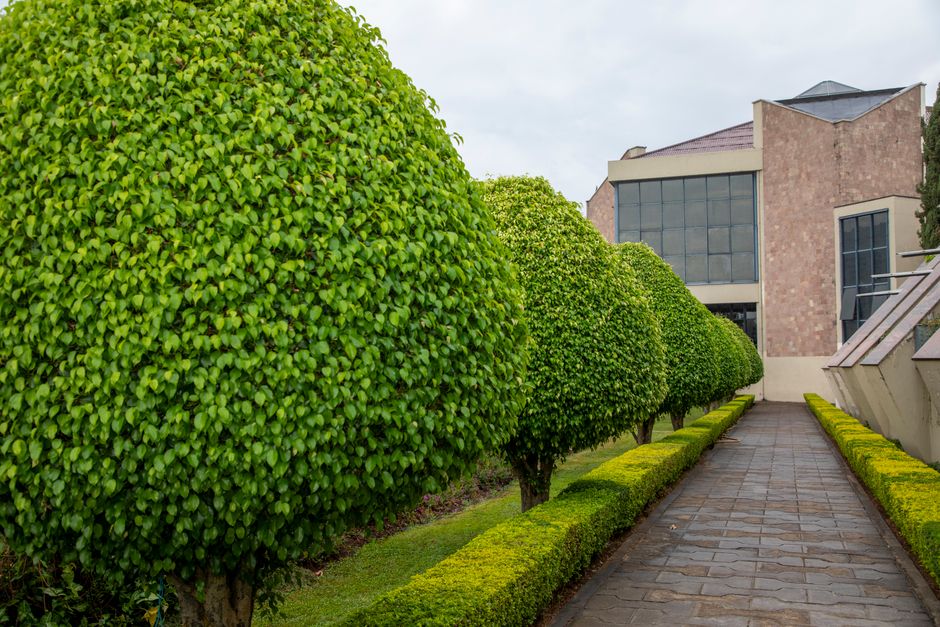
Staines office garden maintenance for local businesses
If your office outside space in Staines is looking a little tired, you are not alone. Many local businesses keep the reception area spotless, then let the planting beds, lawn edges, bin-store greenery, and entrance planters slip for a few weeks too long. Truth be told, it only takes a bit of rain, a windy fortnight, and one missed cut for things to look messy. That is where Staines office garden maintenance for local businesses makes a real difference: it keeps your workplace looking cared for, professional, and ready for clients, staff, and visitors without turning it into a burden on your team.
In this guide, you will find a practical breakdown of what office garden maintenance actually involves, how it works, who needs it, what to watch out for, and how to choose a sensible service approach. We will also cover best-practice basics, common mistakes, and a checklist you can use straight away. If you are comparing broader outdoor support, it can also help to look at a provider's wider services overview so you understand how maintenance sits alongside clearance, mowing, hedging, landscaping, and more.
Expert summary: Good office garden maintenance is not just about keeping grass short. It is about protecting first impressions, reducing avoidable hazards, and keeping outdoor areas usable with as little disruption as possible.
Table of Contents
- Why it matters
- How it works
- Key benefits and practical advantages
- Who this is for and when it makes sense
- Step-by-step guidance
- Expert tips for better results
- Common mistakes to avoid
- Tools, resources and recommendations
- Law, compliance, standards and best practice
- Options, methods and comparison table
- Case study or real-world example
- Practical checklist
- Conclusion
- Frequently asked questions
Why Staines office garden maintenance for local businesses Matters
For local businesses in Staines, outdoor space often does more than you might think. A tidy frontage, smart planter scheme, and well-kept access path can influence how clients feel before they even walk through the door. That first impression arrives in seconds. Not minutes. Seconds.
This matters especially for offices near busy roads, shared business units, retail-adjacent premises, or buildings where staff and visitors come and go throughout the day. A patchy lawn or overgrown hedge can look unprepared. Fallen leaves on steps or moss on pathways can also create awkward slip risks. You do not need a grand garden to benefit from maintenance; even a small strip of planting, a courtyard, or a few tubs at the entrance will tell a story about the business.
There is also a quieter benefit that often gets overlooked: people work better in clean, orderly surroundings. A little greenery that is properly cared for can soften the feel of a hard-working office environment. It can make break areas more pleasant, and that matters on a long Tuesday afternoon when the kettle has been refilled for the third time and everyone is just trying to get through the day.
For many local businesses, keeping outdoor space in good shape is not an optional extra. It supports brand image, property care, and day-to-day safety. It also reduces the "we'll deal with it later" feeling that can creep in when maintenance is handled only when something goes wrong.
How Staines office garden maintenance for local businesses Works
Office garden maintenance is usually a scheduled service rather than a one-off tidy. The exact scope depends on the site, but the process generally follows a simple pattern: assess the outdoor areas, agree the maintenance tasks, set a frequency, and keep the grounds in presentable condition over time.
In practical terms, a maintenance plan for a Staines office might include some or all of the following:
- regular lawn mowing
- hedge trimming and shrub shaping
- weed control in beds, paving edges, and gravel areas
- leaf collection and seasonal clearance
- pruning of small ornamental plants
- border tidy-ups and mulching refreshes
- deadheading and replacement of tired planting
- light pressure washing or surface clearing where appropriate
- keeping entrances, steps, and paths clear of debris
Some sites need weekly attention in peak growing months, while others only need fortnightly or monthly visits. In winter, the focus may shift toward leaf fall, drainage checks, pruning, and keeping access routes clear. The important thing is consistency. A one-off tidy can help, sure, but it rarely solves the long-term problem if growth is fast and the area is visible to the public.
Good maintenance also tends to be tidy in the operational sense. For example, work should be planned around office hours, deliveries, visitors, and parking access. A decent provider will think about noise, waste removal, and how to avoid blocking entrances. That sort of practical thinking is often what separates a proper service from a rushed cut-and-go job.
Key Benefits and Practical Advantages
The benefits of office garden maintenance are easy to understand once you see them in context. Still, it helps to break them down properly because the value is not only visual.
1. A stronger first impression
Clients, tenants, contractors, and job candidates all notice the outside of a building. A neat, maintained garden says the business pays attention to detail. It is a small signal, but small signals add up.
2. Lower safety and access risks
Leaves, overgrowth, and clutter around paths can become a nuisance and, in some cases, a hazard. Maintaining surfaces, edges, and planting areas helps keep entrances usable and less awkward in wet weather. On a damp Staines morning, that really does matter.
3. Better use of staff time
When maintenance is left to office staff, it tends to get squeezed between everything else. Then it is forgotten, then it gets worse, and suddenly someone is dragging out old tools on a Friday afternoon. A scheduled service is more efficient and usually produces better results.
4. Healthier planting and longer-lasting outdoor features
Regular care helps plants stay healthier and reduces the chance of beds becoming choked with weeds or shrubs becoming too woody and neglected. If the site includes decking, paths, or built features, maintenance can help protect those assets too. If you have hard landscaping that needs ongoing care, it may also be worth understanding the role of landscaping support and how it sits alongside routine upkeep.
5. More predictable budgeting
It is generally easier to plan for a scheduled maintenance programme than to keep paying for emergency clean-ups. A clear routine makes costs and expectations easier to manage over the year.
| Business outcome | What maintenance helps with | Practical impact |
|---|---|---|
| Professional image | Tidy borders, trimmed hedges, clean entrances | Better client confidence and a more polished site |
| Safety | Leaf removal, clear walkways, reduced overgrowth | Less slip and obstruction risk |
| Efficiency | Scheduled visits and defined tasks | Less internal disruption and less "firefighting" |
| Asset care | Ongoing attention to planting, lawns, and features | Outdoor areas last longer and stay usable |
Who This Is For and When It Makes Sense
Office garden maintenance is not just for large corporate campuses with polished seating areas and ornamental trees. It is useful for a wide mix of local businesses in and around Staines.
- professional offices with front garden beds or paved courtyards
- shared business units and commercial estates
- medical, dental, or wellbeing practices with visitor-facing entrances
- estate agents, accountancy firms, and service businesses that rely on presentation
- schools, training centres, and community buildings with external planting
- small offices with a few planters, lawn patches, or boundary hedges
It makes particular sense when the outdoor area is visible from the road, seen by customers, or used by staff during breaks. It also makes sense if your team has noticed the same issues coming back again and again: weeds in the driveway, hedge lines growing messy, leaves piling up near the door, or lawns turning uneven because nobody has a consistent schedule.
To be fair, if your outside space is genuinely tiny and rarely seen, you may only need seasonal support. But if visitors walk past it every day, "a bit later" usually becomes "far too late" before anyone notices.
Step-by-Step Guidance
If you are planning office garden upkeep for the first time, keep it simple. A clear process is far better than improvising every month.
- Walk the site properly. Look at entrances, path edges, parking areas, planted beds, and any awkward corners where weeds or litter collect.
- List what must stay tidy. Not every part of the site needs equal attention. The visible and high-traffic areas usually matter most.
- Separate routine tasks from occasional work. Lawn mowing, hedge trimming, and weed control may need regular visits. Tree pruning or larger clearance work may be seasonal or occasional.
- Decide how often each area needs care. Some spots may need weekly attention, others monthly. There is no single correct answer.
- Agree access and timing. Early morning, lunchtime, or after office hours can all work depending on the site and the business.
- Build in seasonal flexibility. Spring growth is not the same as winter maintenance, and the plan should reflect that.
- Review after the first few visits. A good maintenance arrangement should be adjusted if the site is growing faster than expected or if certain tasks are being missed.
If your outdoor area has become very overgrown, start with a clearance before moving into maintenance. That is often the cleanest way to reset a space. A one-time tidy from a garden clearance service can make ongoing upkeep much easier because you are no longer trying to maintain a problem that already ran away from you.
Expert Tips for Better Results
There are a few simple habits that make office garden maintenance much more effective. Nothing fancy. Just the sort of details that keep the whole thing running smoothly.
Match the maintenance plan to the visibility of the space
The front entrance usually matters more than the far side fence line. That does not mean the rest can be ignored, but it does mean resources should follow what visitors actually see. A business with a neat front and neglected side alley can still look rough if the wrong area is left to fester.
Think in seasons, not just dates
Grass, hedges, weeds, and leaf fall all behave differently across the year. Spring and early summer often need more frequent cutting. Autumn may need more collecting and clearing. Winter may be slower but still needs observation. It is a bit like keeping a car serviced; the needs change, but the need for care does not.
Keep the brief simple and specific
"Tidy the garden" is too vague. "Cut the lawn, trim the front hedge, remove weeds from paving edges, and clear leaves from the entrance" is much better. Specific instructions help avoid disappointment and awkward assumptions.
Use maintenance to protect other investments
If your site includes hard surfaces, timber features, or planted screening, routine care helps protect them. For example, a decked seating area will usually last better if debris is cleared regularly and surrounding growth is kept under control. If you are planning upgrades as well as upkeep, it may be useful to review decking services alongside maintenance planning.
Don't chase perfection; chase consistency
A spotless site every single day is unrealistic for many businesses. But regular, reliable attention is absolutely achievable. Consistency beats heroic clean-ups. Every time.
Common Mistakes to Avoid
Office garden maintenance often fails for the same reasons, and most of them are avoidable.
- Leaving it too long between visits. Once growth gets out of hand, maintenance becomes more expensive and less effective.
- Using a vague brief. If nobody agrees what matters, the visible areas can get missed.
- Ignoring access and timing. Work that blocks entrances or disrupts deliveries causes frustration fast.
- Assuming one service covers everything. Lawn care, hedge trimming, clearance, and tree work are different jobs, even if they overlap.
- Forgetting waste disposal. Cuttings, leaves, and debris need to go somewhere sensible, not just pile up at the edge of the site.
- Letting one problem hide another. Tall shrubs may disguise weeds, drainage issues, or damaged borders underneath.
One surprisingly common issue is trying to "save money" by skipping maintenance until the end of the quarter. It often costs more in the long run, and the site looks neglected for weeks. That is a bad trade, honestly.
Tools, Resources and Recommendations
You do not need a huge toolkit to manage an office garden well, but the right basics matter. For businesses arranging professional support, this section is mainly about what to expect and what to ask for.
Useful maintenance elements
- quality mowing equipment for lawns and edges
- hedge trimmers suitable for regular shaping
- hand tools for precise border and bed work
- collection sacks, bins, or waste bags for cuttings and leaves
- suitable weed control and bed management methods
- seasonal pruning tools for light shaping and deadwood removal
Helpful service areas to combine
Many office sites need a blend of routine maintenance and occasional specialist work. If hedges are part of the frontage, ask about hedge trimming support. If the lawn is the main visible feature, regular lawn mowing may be the core of the plan. Where the site has mature trees, a separate approach such as tree lopping and removal may be needed for safety and manageability.
What to ask before you agree to a schedule
- What is included in routine maintenance?
- How are seasonal changes handled?
- What happens if the site needs extra work after storms or holidays?
- How is green waste handled?
- Can visits be timed around business operations?
- Is the approach suitable for small commercial sites as well as larger premises?
Those questions sound simple, but they save headaches later. A well-run service should be comfortable answering them clearly.
Law, Compliance, Standards and Best Practice
Any business arranging outdoor maintenance should think beyond appearance. In the UK, employers and property managers have general duties to keep premises reasonably safe for staff, visitors, and contractors. I am keeping that deliberately broad because the exact obligations depend on the site, the work involved, and who controls the premises.
For office gardens and external areas, best practice usually includes:
- keeping access routes reasonably clear
- reducing obvious trip and slip hazards
- making sure maintenance work is carried out safely
- using competent contractors for more technical tasks
- checking that waste handling and vehicle movement do not create avoidable risks
It is also sensible to ask about contractor insurance, safety procedures, and what happens if work affects shared access or neighbouring premises. If you are reviewing suppliers, a page like insurance and safety information can help you understand the kind of assurances a business should be able to provide. For broader site standards, the health and safety policy is also a useful reference point.
Environmental practice matters too. Many businesses now prefer maintenance that keeps waste under control and handles green waste responsibly. If sustainability is part of your procurement thinking, it can be worth looking at recycling and sustainability commitments as part of your supplier review.
If a contractor is being asked to carry out larger improvements, not just maintenance, then planning and permissions may become relevant depending on the scope. That is not something to guess at. Better to ask early, clarify the work, and proceed carefully. Offices can get surprisingly complicated when the grounds include shared access, boundary features, or older planting schemes.
Options, Methods and Comparison Table
There are a few common ways local businesses handle office garden upkeep. The right approach depends on size, visibility, budget, and how much you want to manage internally.
| Approach | Best for | Pros | Trade-offs |
|---|---|---|---|
| Ad hoc tidy-ups | Very small or rarely seen areas | Flexible and easy to start | Can become inconsistent and patchy |
| Scheduled maintenance visits | Most office sites with visible outdoor areas | Reliable, tidy, easier to budget | Requires planning and a clear brief |
| Maintenance plus occasional clearance | Sites with seasonal build-up or changing needs | Good balance of order and flexibility | Needs coordination between routine and one-off work |
| Maintenance with landscaping upgrades | Businesses wanting to improve the space as well as care for it | Can transform weak areas and reduce future effort | Higher upfront commitment and more decision-making |
In reality, many businesses end up with a blended setup. A site may need regular upkeep for the front of the building, occasional clearance around storage or boundary areas, and a few improvement works to make the whole thing easier to maintain. That is often the most sensible route. Not glamorous, but sensible.
Case Study or Real-World Example
Here is a simple real-world scenario that will feel familiar to a lot of local businesses.
A small office in Staines had a neat reception inside but a front exterior that kept slipping. The lawn was patchy because it was cut irregularly. The hedge at the entrance had grown uneven, and weeds had started appearing around the paving. Nobody in the team had the time to manage it properly, so maintenance happened in bursts: a quick tidy before client visits, then several weeks of nothing.
What changed? The business set up a routine maintenance plan with clear priorities: keep the front entrance tidy, cut the lawn at sensible intervals, trim the hedge before it blocked sightlines, and remove leaves before they collected along the path. The result was not dramatic in a showy sense. It was better than that. The site looked consistently looked-after, staff stopped worrying about the front approach, and small problems were dealt with before they became visible or awkward.
That kind of improvement is common. Most offices do not need a grand redesign. They need steady, professional care and a bit of judgment about what matters most. Sometimes that is all it takes. A garden does not need to be fancy to feel respectable.
Practical Checklist
Use this checklist before you arrange maintenance for a commercial office site in Staines.
- Have you walked the whole outdoor area, including side access and rear corners?
- Do you know which parts are client-facing and which are staff-only?
- Are lawn, hedge, border, and clearance tasks clearly defined?
- Have you decided how often the site should be visited?
- Do you know what needs attention seasonally?
- Is there a plan for leaves, clippings, and green waste?
- Have you considered access, parking, and business opening hours?
- Are safety responsibilities clear for shared entrances or paths?
- Do you know whether you also need a one-off clearance or wider improvement work?
- Have you asked about insurance, processes, and payment expectations?
If you want a clean starting point, it can help to compare routine upkeep with a broader garden maintenance service so you understand what a regular contract should cover. If the outside space is currently cluttered or difficult to manage, one initial tidy through garden clearance may be the most practical first move.
Conclusion
Staines office garden maintenance for local businesses is really about keeping your workplace presentable, safe, and easier to manage all year round. A tidy exterior supports the image you want to project, reduces the chance of small hazards building up, and makes the site feel more settled for everyone who uses it.
The best results usually come from a simple, consistent plan: identify what matters most, schedule the right tasks, review the site as the seasons change, and keep the work practical. No drama, no overcomplication. Just steady care that stops the outside space from slipping into neglect.
And if you have been staring at an overgrown hedge or a patchy front lawn thinking, "We really should sort that," then yes, you probably should. Good news: it is usually much easier to reset than people expect.
Get a free quote today and see how much you can save.
When your office exterior feels calm and cared for, everything else seems a little easier too. That is the quiet power of a well-kept place.
Frequently Asked Questions
What does office garden maintenance usually include?
It commonly includes lawn mowing, hedge trimming, weeding, border tidy-ups, leaf removal, light pruning, and keeping entrances clear. The exact mix depends on the site and how visible the outdoor areas are.
How often should a business garden in Staines be maintained?
That depends on growth, season, and how prominent the space is. Many office sites need more frequent visits in spring and summer, while autumn often calls for more leaf clearance. A few areas may only need monthly attention, but busy frontages usually need more regular care.
Is office garden maintenance different from domestic garden care?
Yes. Commercial sites often need work timed around staff, visitors, deliveries, and shared access. They also tend to place more emphasis on presentation, consistency, and safety around walkways and entrances.
What if our office outside space is very small?
Small spaces still benefit from maintenance, especially if they are visible from the street or used as the main entrance approach. In some cases, a lighter schedule works fine. The key is keeping the area tidy rather than letting it become an afterthought.
Can maintenance help reduce slip or trip risks?
It can, especially when the work includes clearing leaves, keeping paths free of overgrowth, and tidying edges around steps and entrances. It is not a substitute for proper site management, but it does help reduce obvious hazards.
What should I ask before booking a commercial garden service?
Ask what is included, how often visits will happen, how seasonal changes are handled, how waste is removed, and whether they can work around your business hours. You should also ask about insurance and safety procedures.
Do we need a one-off clearance before starting maintenance?
If the site is overgrown or cluttered, yes, that is often the smartest first step. A clearance makes ongoing maintenance much more effective because the contractor is not trying to maintain a problem that has already built up.
Can office garden maintenance include hedges and trees?
Yes, but those may need specific services depending on the size and condition of the plants. Hedge trimming is often part of routine upkeep, while larger tree work may require separate attention and a more careful assessment.
How do we keep maintenance from disrupting the office?
Agree the timing in advance, keep access instructions clear, and prioritise quiet or low-disruption periods where possible. A good provider should be able to work around normal business operations without causing unnecessary fuss.
Is there a difference between maintenance and landscaping?
Yes. Maintenance is about keeping what is already there in good condition. Landscaping is more about changing, improving, or redesigning the space. Many businesses use both, but they solve different problems.
What if we want the outside space to look better, not just tidier?
Then it may be worth considering improvements alongside regular upkeep. That could mean better planting, cleaner edges, or redesigning awkward areas so they are easier to maintain in future. Small changes can make a surprisingly big difference.
How do I choose the right service level for our business?
Start with visibility, safety, and how much internal time you can realistically spare. If the area is client-facing and changes quickly, a regular maintenance schedule is usually best. If it is a quieter site, a lighter plan may be enough. The right answer is the one that fits the building, not just the budget.