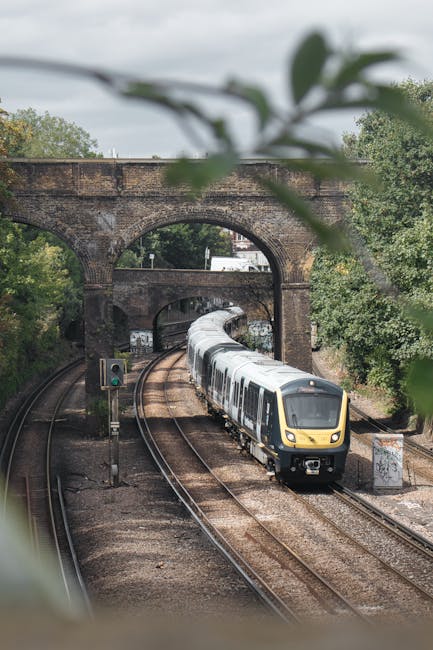
Reliable garden maintenance near Staines railway station
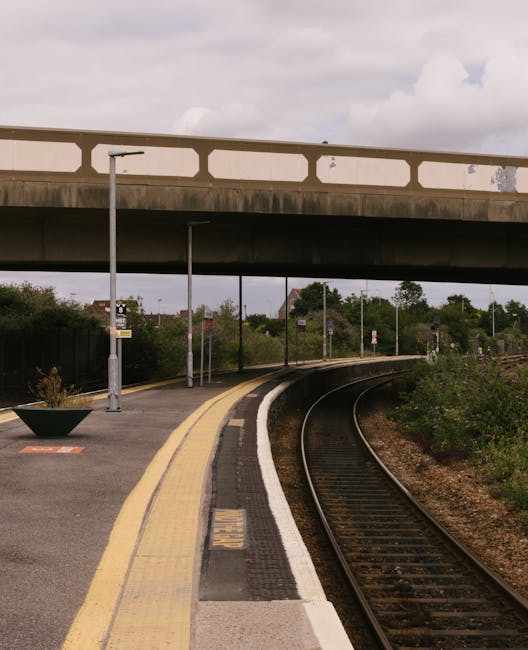
If you live, work, or manage property near Staines railway station, keeping outdoor spaces neat can feel like a moving target. One wet week, and the borders look tired. A few dry days later, the lawn is patchy, weeds appear from nowhere, and the hedge seems to have grown two inches overnight. Reliable garden maintenance near Staines railway station is about more than a quick tidy-up. It is about steady, well-timed care that keeps a garden looking presentable, healthy, and easy to manage throughout the year.
That matters even more in a busy station area. Front gardens, rental homes, small business plots, and shared access spaces all need consistency. You want someone who turns up when they say they will, understands seasonal work, and leaves the space better than they found it. Not glamorous. Just dependable. And to be fair, that is exactly what most people actually want.
In this guide, you will find a practical breakdown of how reliable garden maintenance works, what to expect, who it suits, how to compare options, and what to avoid if you want proper results rather than a one-off clear-up.
Why reliable garden maintenance near Staines railway station matters
Station-area gardens get judged quickly. People walking to trains notice untidy hedges, overgrown paths, weeds at the edge of driveways, and lawns that have clearly been left too long. If a property is for sale, let, or used by customers, those first impressions can quietly shape how it is perceived before anyone steps inside. Even a small front garden can set the tone.
There is also the practical side. Gardens that are left unmanaged tend to become harder and more expensive to restore. Grass gets scalped when it finally is cut. Shrubs lose shape. Ivy, bramble, and self-seeded plants creep into places they were never invited. Then a simple maintenance job turns into a bigger cut-back, and nobody enjoys that bill.
In our experience, the most frustrating issue is not usually the garden itself. It is uncertainty. Will the gardener arrive? Will the same standards be kept month after month? Will the work be done neatly, or only quickly? Reliable maintenance is valuable because it removes that uncertainty and replaces it with a steady rhythm of care.
For landlords, homeowners, and local businesses, this consistency matters for more than appearance. It helps reduce trip hazards, keeps access points clear, supports plant health, and makes it easier to plan seasonal work instead of reacting in panic after things get out of hand. Honestly, that calmer rhythm makes a huge difference.
How reliable garden maintenance works
Reliable garden maintenance is usually a planned service rather than a one-off visit. The provider assesses the space, agrees what needs doing, and builds a schedule around the garden's actual needs. That may be weekly in peak growing season, fortnightly for standard domestic upkeep, or monthly for lower-maintenance sites. There is no single perfect schedule. The right one depends on how fast things grow, how visible the garden is, and how much change you are happy to tolerate between visits.
A good maintenance routine normally covers a mix of tasks. These can include lawn mowing, edging, hedge trimming, weeding, pruning, deadheading, leaf clearance, and light border tidying. In some cases, it also includes pressure-sensitive work such as maintaining paths, checking drainage issues, or keeping planting areas clear around bins, fences, and access gates. The point is not to do everything every time. It is to do the right things, at the right time, in a consistent order.
Most reliable services start with a walk-through. You explain what bothers you most, what must always look smart, and what can be left alone for a while. That conversation matters more than people think. A good gardener will notice things like shade patterns, awkward corners, fast-growing species, and areas where water sits after rain. They will not simply trim everything in sight and call it maintenance. That would be the gardening equivalent of tidying a room by hiding things under the sofa.
If you are comparing providers, it helps to look at how they communicate as much as what they cut. Clear scheduling, simple quotes, and sensible service descriptions usually signal a better experience. You can explore a broader breakdown of garden services available in Staines if you want to see how maintenance sits alongside other outdoor care work.
Key benefits and practical advantages
The most obvious benefit is a tidy garden. Fair enough. But the better benefits are a little deeper than that.
- Consistency: regular maintenance stops the garden drifting into neglect between visits.
- Better plant health: pruning at the right time, balanced feeding, and timely deadheading support stronger growth.
- Lower long-term costs: small, regular jobs are usually easier to manage than big rescue jobs.
- Safer access: clear paths, controlled growth, and reduced debris can help prevent slips and trips.
- Improved kerb appeal: especially valuable for rented homes, shared entrances, and customer-facing premises.
- Less stress: you do not have to keep remembering what needs doing or when.
There is another benefit people often overlook: predictability. A steady maintenance plan lets you budget better and plan around the seasons. You know when the first spring tidy-up is due, when hedges will need extra attention, and when leaf fall is likely to become a nuisance. That kind of predictability is quietly powerful.
It also makes a property feel cared for. That sounds simple, but people notice it. A clean edge along a lawn, fresh mulch in a border, and a path free from weeds send a message that the place is looked after. In a busy area near the station, that message can matter a lot.
| Maintenance approach | Best for | Strengths | Watch-outs |
|---|---|---|---|
| One-off tidy-up | Overgrown gardens, pre-sale prep, emergency clearances | Fast visible improvement | Does not prevent regrowth; can become costly if repeated often |
| Regular scheduled maintenance | Homes, rentals, and businesses needing consistency | Stable appearance, easier budgeting, healthier planting | Needs clear communication and a realistic schedule |
| Seasonal maintenance | Smaller gardens or lower-growth spaces | Useful for spring and autumn care | May not be enough in peak growing months |
If you are weighing up value, it is worth getting clear pricing rather than assuming maintenance is all much of a muchness. A transparent quote helps you compare like with like, and you can review pricing and quote guidance before making a decision.
Who this is for and when it makes sense
This kind of service suits a surprisingly wide range of people. Homeowners near the station often want help keeping a front or rear garden neat without spending weekends doing it themselves. Landlords and letting agents may need a reliable schedule between tenancies, or simply a better way to keep a property presentable. Small businesses with entrance planting or frontage areas may want a good-looking exterior without hiring a full-time gardener. And yes, some busy commuters just want to come home to a garden that does not look like it has been left to argue with the weather.
It makes sense when any of these are true:
- the garden grows faster than you can keep up with
- you want a tidy look all year rather than occasional rescue jobs
- the space is visible to visitors, tenants, or customers
- you have limited time, mobility, or gardening experience
- you want a professional to spot problems early
- you need reliable access around paths, gates, and boundaries
For some people, maintenance becomes worthwhile after a single rough season. A wet spring, a warm spell, and suddenly the whole place is different. For others, it is about peace of mind. They simply do not want to think about it every week. That is valid too.
If you are unsure whether you need regular care or a lighter-touch arrangement, start by asking what outcome matters most. Is it appearance, plant health, safety, or time saved? Usually it is a mix. Once you know the real priority, the right maintenance plan becomes much easier to shape.
Step-by-step guidance
Getting reliable garden maintenance right is less about luck and more about process. A straightforward system helps avoid disappointment.
- Walk the garden with fresh eyes. Notice what feels neglected, what looks good, and what causes annoyance. It might be a hedge blocking light, an awkward strip of weeding, or a lawn that always dries out in one corner.
- List the non-negotiables. For example: front path must stay clear, grass must be cut every two weeks in season, and the rear border should be kept neat rather than stripped bare.
- Decide the frequency. Weekly, fortnightly, monthly, or seasonal. There is no prize for choosing the busiest schedule. Choose what the garden actually needs.
- Ask for a clear scope. Maintenance can mean very different things to different people. Make sure it includes the specific tasks you care about.
- Check reliability signals. Look for punctual communication, sensible appointment windows, and a method for reporting changes if weather disrupts the visit.
- Review after the first few visits. Is the standard steady? Is anything being missed? A good provider will welcome feedback, not take it personally.
A practical tip: take a couple of photos before work begins, especially if the garden has problem areas. Nothing dramatic. Just useful reference points. It makes later conversations far easier, particularly if a border or hedge needs a more gradual reset.
You may also want to ask how waste will be handled, how access will work if you are not home, and whether the same person or team will attend regularly. A repeated team is often better for consistency, because they learn the garden's little quirks. The one that always catches rain in the back corner, for example. Gardens have memories. Slightly annoying ones, sometimes.
Expert tips for better results
Good maintenance is often about restraint, timing, and attention to detail. Here are the habits that usually separate solid work from forgettable work.
1. Keep the borders tidy, but not overworked
There is a difference between neat and bare. Removing every last leaf and stem can make a garden look lifeless. A better approach is to keep the shape clear while preserving healthy planting structure. In plain English: tidy, not sterilised.
2. Watch the growing conditions
Shaded areas near walls, fences, and buildings may behave very differently from open spots. Grass might thin out, moss may appear, and some shrubs will stretch for light. A reliable gardener notices these patterns and works with them rather than fighting the same problem every month.
3. Treat hedges and shrubs as long-term features
Heavy cutting at the wrong time can leave plants looking stressed or uneven. Regular shaping, done properly, usually gives a much better result. Sometimes less is more. Not always, but often enough.
4. Ask for seasonal attention
A maintenance plan should change through the year. Spring may need more growth control, summer may need lawn care and deadheading, and autumn usually brings leaf clearance and bed preparation. Winter is quieter, though not entirely. A garden never really sleeps, does it?
5. Keep communication simple
Instead of long lists of complaints after a job, try giving one or two priorities at a time. For example: "Please keep the front path clear and trim the left-hand hedge lightly this month." Clear instructions usually produce better results than vague dissatisfaction.
Expert summary: the best garden maintenance near Staines railway station is not necessarily the most dramatic. It is the service that stays consistent, responds to the season, and understands the difference between tidying a garden and caring for it.
If sustainability matters to you, ask how clippings, prunings, and other green waste are handled. A thoughtful approach to disposal and recycling can reduce unnecessary waste and fit better with how many local households now prefer to manage garden materials. You can also read more about recycling and sustainability practices if that is part of your decision-making.
Common mistakes to avoid
People often choose garden maintenance based on the cheapest number, the widest promises, or the quickest availability. Sometimes that works out fine. Often, it does not.
- Being too vague about the scope. "Just tidy it up" can mean almost anything.
- Ignoring access issues. If gates, bins, pets, or parking are awkward, say so early.
- Choosing irregular care for a fast-growing garden. This usually leads to a cycle of neglect and rescue.
- Over-pruning shrubs and hedges. A hard cut can solve a short-term problem but create a longer-term one.
- Forgetting waste removal. Clippings and branches do not magically vanish. Shame, really.
- Not reviewing the first few visits. Small issues become habits if nobody mentions them.
One small but common mistake is asking for everything at once. If a garden has been neglected, it may need a reset before it can move to a regular upkeep schedule. That reset might be a separate visit or phase of work. It is not a failure. It is just how gardens work sometimes.
Another is assuming all maintenance teams work the same way. They do not. Some are great at lawns, others at pruning, others at general tidy-ups. Matching the provider to the garden's needs is a better strategy than simply picking the first available option.
Tools, resources and recommendations
Reliable garden maintenance does not require fancy kit, but it does benefit from proper tools and a sensible method. A dependable service will normally use equipment suited to the job rather than trying to force one tool to do everything.
Common tools and items include:
- lawnmowers for regular grass cutting
- hedge trimmers for shaping and light reduction
- secateurs and loppers for precise pruning
- hand weeders for beds, paving cracks, and awkward edges
- leaf blowers or rakes for clearing paths and lawns
- gloves, eye protection, and sturdy footwear for safer working
- green waste bags or containers for collection and removal
As a customer, you do not need to buy all of this yourself. What helps more is a short, practical brief. If you know the garden has weak lawn patches, heavy shade, a narrow side return, or very thorny shrubs, mention that early. It saves time and prevents awkward surprises.
A few useful things to have ready before a maintenance visit:
- clear access to taps, gates, and the main work area
- any known pet safety concerns
- notes about fragile planting or recently completed landscaping
- instructions for bin storage or waste placement
- contact details if the provider needs to confirm anything quickly
If you want to understand the business side a little better, the site's about us information, insurance and safety guidance, and health and safety policy can help you judge whether a provider's standards align with your expectations.
Law, compliance, standards and best practice
Garden maintenance is not usually the sort of work people think about in compliance terms, but a few standards matter in practice. If contractors are working on your property, you want them to behave professionally, work safely, and respect your home or business. That means sensible risk awareness, careful handling of tools, and proper insurance where appropriate.
For business properties, landlord-managed spaces, or shared access areas, it is especially sensible to ask about public liability cover, safe working methods, and any procedures for dealing with accidents or complaints. You do not need a lecture. You just need reassurance that the basics are being handled properly.
Good practice also includes clear pricing, clear communication, and fair terms. If a company explains what is included, how payment works, and what happens if plans change because of weather or access issues, that is a good sign. If those details are fuzzy, pause. It is usually worth pausing.
Depending on the nature of the work, safe disposal of green waste, avoidance of damage to shared areas, and considerate treatment of neighbouring properties all matter. In a station-area setting, where people come and go quickly, tidy working habits are especially important. No one wants bags, branches, or trimmings left where they obstruct footpaths or create a nuisance.
If you are comparing providers, it is also sensible to look at policy pages that show how the business handles broader responsibilities. The terms and conditions, privacy policy, payment and security information, and complaints procedure can all tell you a lot about how the company operates when things are straightforward and when they are not. That may sound unexciting, but unexciting is often exactly what you want.
Options, methods and comparison
There are several ways to manage a garden near Staines railway station, and the best option depends on how much upkeep the space really needs.
| Option | What it includes | Pros | Best for |
|---|---|---|---|
| DIY maintenance | You handle mowing, weeding, trimming, and seasonal jobs yourself | Full control, low direct cost | Hands-on homeowners with time and tools |
| Occasional tidy-ups | One-off visits when the garden gets out of hand | Helpful for problem areas | Lower-maintenance spaces or budget-conscious households |
| Scheduled maintenance | Regular visits with an agreed set of tasks | Most consistent and predictable | Busy homes, rentals, and visible frontages |
| Seasonal care plan | Spring, summer, autumn, and winter jobs only | Good balance for some gardens | Smaller plots or slower-growing gardens |
DIY works well if you enjoy gardening and have the time. But let's face it, many people near the station are balancing commuting, work, and family life. If the garden becomes a weekend obligation you dread, the whole arrangement starts to feel wrong. Regular maintenance is often the calmer choice, especially when the property is visible or shared.
For a simple decision rule: if the garden can go six to eight weeks without turning messy, seasonal care may be enough. If it starts looking neglected after a couple of weeks, a scheduled plan is usually the safer bet. And if it is already beyond easy control, a reset followed by ongoing maintenance is often the most practical route.
Case study or real-world example
Picture a modest front and rear garden a short walk from the station. The front area has a small lawn, a hedge by the path, and a couple of beds that collect leaves. The back garden has a patio, a narrow strip of grass, and two shrubs that keep trying to claim the space. Nothing dramatic. Just busy, ordinary, and slightly neglected by the end of summer.
Initially, the owner only wanted a tidy-up before visitors arrived. After the first visit, though, it became obvious the garden needed a repeat pattern: lawn cutting every couple of weeks in the growing season, hedge shaping every few months, border weeding on a lighter cycle, and a proper autumn leaf sweep. Nothing excessive. Just sensible.
The difference was not only visual. The path stayed clearer, the front edge looked sharper, and the garden stopped swinging between "fine" and "slightly embarrassing." The owner also found it easier to budget because the work became predictable. That kind of change is common. Small gardens often do not need heroic effort. They need rhythm.
A funny thing happens once a maintenance routine settles in: people stop noticing the garden because it is quietly doing its job. That is usually a sign the service is working. A nice quiet success. The best kind, really.
Practical checklist
Use this checklist before booking or reviewing garden maintenance near Staines railway station:
- Have you listed the key tasks that matter most?
- Do you know whether you need weekly, fortnightly, monthly, or seasonal visits?
- Have you checked what waste removal is included?
- Are access details, parking, and gate instructions clear?
- Have you asked how the provider handles weather delays?
- Is the quote clear about what is included and what is extra?
- Have you confirmed insurance, safety, and working practices where relevant?
- Do you know who to contact if something needs adjusting?
- Is the service designed for ongoing maintenance rather than only one-off work?
- Have you considered sustainability and green waste handling?
Quick takeaway: if a provider is easy to speak to, clear about scope, and steady with scheduling, you are probably looking in the right place. Garden maintenance is not meant to feel chaotic. It should feel like one less thing on your list.
If you are ready to explore the next step, you can get in touch through the contact page or review the pricing and quotes information first. A little clarity at the start saves a lot of back-and-forth later.
Get a free quote today and see how much you can save.
Conclusion
Reliable garden maintenance near Staines railway station is really about steadiness, trust, and practical care. The right service keeps a garden looking good without turning it into a big weekly project. It anticipates growth, respects the season, and pays attention to the little things that make a space feel looked after.
Whether you need help with a small front garden, a rental property, or a business frontage, the same principles apply: clear scope, regular attention, sensible communication, and a team that shows up prepared. Nothing fancy. Just the sort of dependable service people quietly appreciate month after month.
If you choose well, your garden stops being a worry and starts being part of the place you enjoy. That is the real win.
Frequently Asked Questions
What does reliable garden maintenance near Staines railway station usually include?
It usually includes regular mowing, edging, weeding, trimming, pruning, deadheading, leaf clearance, and general tidying. The exact mix depends on the garden and the service agreement. A good provider should be clear about what is included.
How often should a garden near the station be maintained?
That depends on how quickly it grows and how tidy it needs to stay. Fast-growing gardens often need weekly or fortnightly visits in peak season. Smaller or slower-growing spaces may only need monthly or seasonal care.
Is a one-off tidy-up enough?
Sometimes, yes, especially if the garden only needs a reset before a sale, event, or tenant handover. But if growth is ongoing, one-off work usually does not solve the long-term problem. Regular maintenance is more stable.
How do I know if a gardener is actually reliable?
Look for clear communication, sensible scheduling, consistent quoting, and practical answers to your questions. Reliability is often visible before the first visit. If responses are vague or disorganised, that is worth noting.
What should I ask before booking garden maintenance?
Ask what tasks are included, how often visits will happen, whether waste is removed, what happens in bad weather, and whether the provider has insurance and safety procedures. Simple questions, but useful ones.
Do I need regular maintenance if my garden is small?
Maybe not every garden needs frequent visits, but even small spaces can become messy quickly if they are overlooked. Small gardens often benefit from lighter, regular care because they are easier to keep tidy than to rescue later.
Can garden maintenance help with kerb appeal?
Yes, absolutely. A neat lawn, clean edges, and controlled growth can make a property look much more cared for. That matters for homes, rentals, and customer-facing premises alike.
What if I want the garden to stay natural rather than over-tidied?
That is a perfectly reasonable preference. Good maintenance does not have to mean harsh cutting or a stripped-back look. You can ask for a softer, more natural style while still keeping everything neat and healthy.
Is green waste removed as part of garden maintenance?
Sometimes it is included, and sometimes it is offered as an extra. Always check before booking. Waste handling is one of those small details that can cause unnecessary confusion later if it is not discussed early.
How do I compare quotes fairly?
Compare the scope of work, visit frequency, waste removal, and any extra charges rather than just looking at the headline price. A lower quote is not always better if it leaves out important tasks.
What if I have access restrictions or specific instructions?
Tell the provider in advance. If there are pets, narrow gates, shared entrances, parking limits, or fragile planting, those details matter. Good gardeners appreciate clear instructions because it helps them plan properly.
Can I switch from one-off work to a regular maintenance plan?
Yes, and often that is the best way forward. Many gardens benefit from a first clearance visit, followed by a regular schedule once the space is back under control. It is a sensible, not unusual, approach.